Even though you may not like it read the next, totally non-fashion related paragraph carefully.
Last night Matt Cain a pitcher for the San Francisco Giants pitched what is known as a "Perfect Game" There are a minimum of 27 hitters, (three outs per inning x nine innings), that a pitcher can face in a baseball game and Mr. Cain got every batter out without letting anyone get on base. There have been hundreds of thousands of games in major league history and this was only the 22nd perfect game ever. Matt Cain is 27 years old and by major league standards is in the prime of his career. At the beginning of this season he signed a new contract that pays him on average 22.5 million dollars a year for the next six years. Which means based on an average of thirty to thirty two games that a pitcher will start the Giants paid him over 700,000 dollars last night to make history. The team makes roughly 848,000 dollars per game on ticket sales not to mention merchandising, vendors, broadcast rights etc... So they made money last night and will make more on him the next time he pitches as his performance last night will increase attendance.

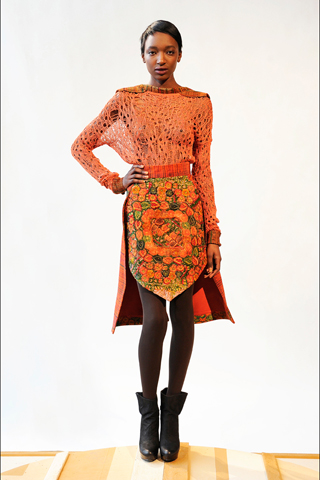
Is this Stuart Vevers design a home run or a single?
Thank you for indulging me and now on to what the hell all of that has to do with the fashion industry. There are 12 numerical citations on the paragraph above. They are all factually verifiable data points that helped me contextualize the accomplishment and it's importance to the business and brand of the employee and his company. Most significantly all of that information was 100% publicly available. We have absolutely nothing like that in the fashion industry. Who's the hottest emerging designer in retail sales? Which American designer is doing the best in Japan? Which brand had the best growth in F/W 2012-13 vs Spring 2012? Which high end luxury designer has the best margins? None of that information is available and so there exists no way to say which brand is doing well and which one is doing poorly. The blood of the fashion industry is retail sales, nothing else that a designer or brand does means anything at all if buyers don't buy their designs. Not knowing how brands are doing in sales means not knowing if what the designer is designing is effective in pleasing their clients. Put simply we have no way of knowing what designer is good at their job. If you turn to WWD or BOF you will see detailed analysis of only publicly traded companies which are required by law to be responsibly transparent about virtually everything they do.
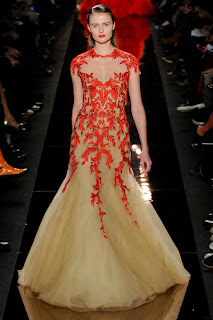
How well did this Monique Lhuillier dress sell?
The only information the general public receives about the health of brands is what can be understood from what is racking in the luxury chains and boutiques. If you are a supporter of a designer or fan of a brand you have to wait till the retail sales season starts to find out how your favorite did. It's a very odd situation and it has always made me raise an eyebrow as to why brands on going success or failure is handled by the press the way that it is. I can understand if a brand is losing accounts or having sales slippage not wanting to be loud about it but why would a rising designer not be out there thanking stores and trumpeting new accounts? As a result of all of this murky darkness the fashion media is often blindsided by brands seemingly sudden failures. Who forecast Vena Cava's troubles or Catherine Malandrino's? Specifically focusing on Catherine Malandrino for a moment if you Google her label under news you will find zero mention of her troubles or subsequent purchase by Tahari and Arthur Levine. By contrast people in the business media have been talking for well over two years now about how much trouble Nokia is in and so when today they announced they were laying off 10,000 workers nobody was surprised. The American fashion media seems to have a desire to create an image that everything is candy and roses and everybody is just absolutely in love with everybody else. Which of course is utter nonsense. Why they feel the need to do that is beyond me. You're media you're supposed to shed light on the industry you cover. Instead they cover celebrities, parties, and awards.
To move this topic to a more individual level I want to close by mentioning an individual opportunity that every brand has to be more transparent. There is one publicly available bit of data that every brand should maintain and update to perfection, their stockists or stores page. Take a look at Corey Lynn Calter's stores page if you want a perfect example
http://www.coreylynncalter.com/stores/ This page is a must for brands to show. You must show your potential clients where they can buy you and you must do so in a way that makes it as convenient as possible for them. To do anything else or to do this half heartedly is beyond foolish.
Do you know where you can find this Sally Lapointe stunner?